Exorcising Cultural Demons (Tao Te Ching 60)

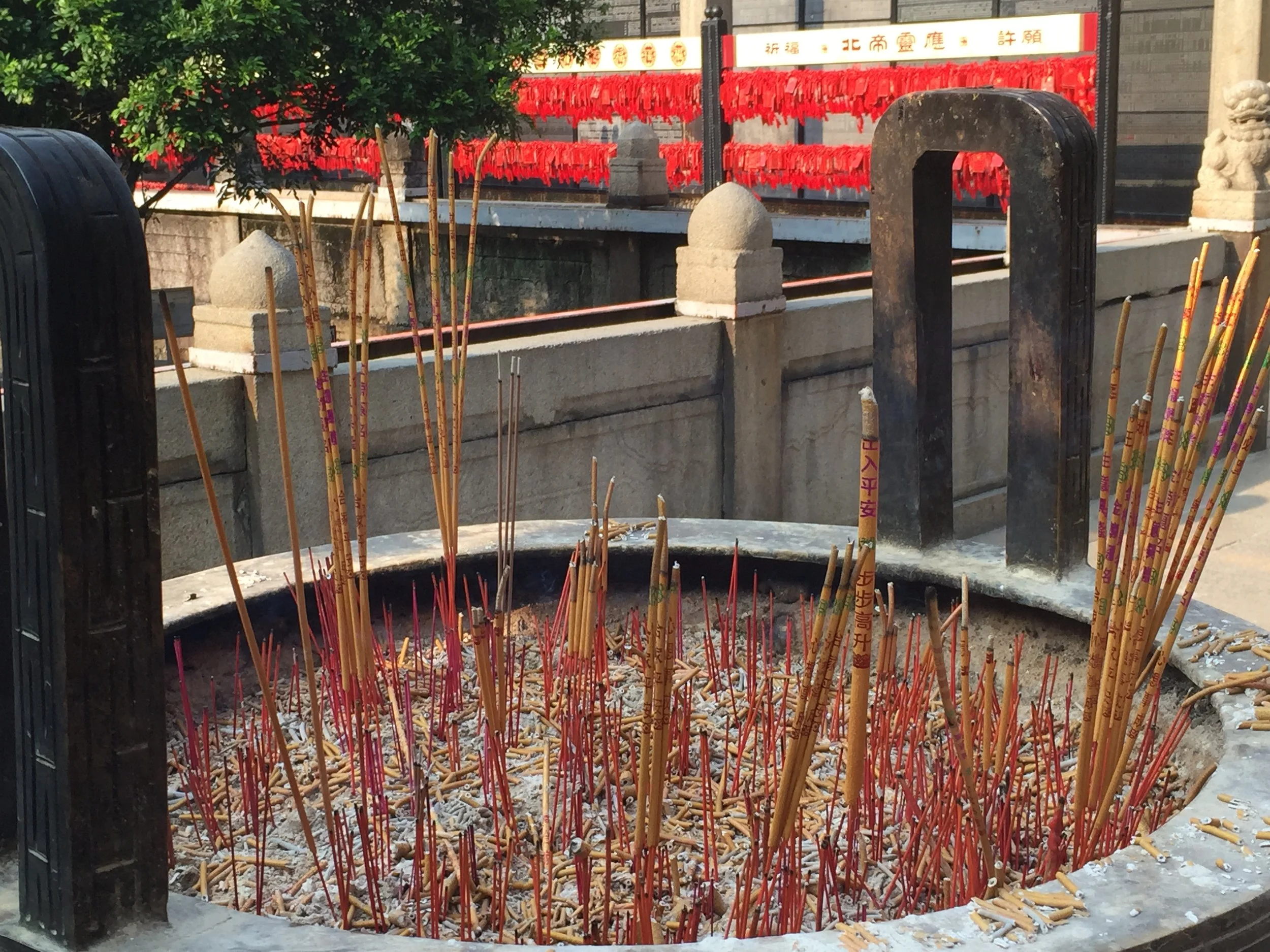
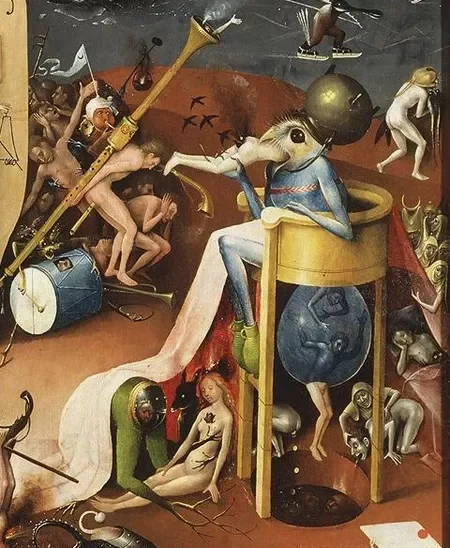
Lao Tzu explains how to cook a small fish and govern a great nation. A discussion of how the Tao Te Ching has been seen differently over the ages, due to different emphases throughout the commentary traditions. Regardless of whether one assumes that the ghosts of our ancestors and the demons of our human nature are literal or figurative (or somewhere in between) this chapter teaches warns against authoritarianism and aggressive governments.

Toward the end, there's a discussion of the ways in which Ancient Chinese shamanism might have conceived of spirits and demons.

Read More
Jeffrey Mallinson Comment
The Longevity of Roots and Culture

Drawing from Tao Te Ching 59, we critique the idea that cultures have a fixed life span. Surveying the longevity of various societies from the Indigenous Australians to the end of Imperial China in the twentieth century, we suggest that Lao Tzu was right that a deeply rooted, maternal, nurturing society that is adaptable

Read More
Jeffrey MallinsonComment
No Inevitable Future

Drawing from the second half of Tao Te Ching 58, Jeff and Stacie discuss their plan for surviving the economic challenges ahead. If you are serious about considering living a different lifestyle, in terms of your domicile, feel free to reach out and we will be glad to share what we've learned about living nonconfentionally. In the mean time, peace upon peace.

Read More
Jeffrey MallinsonComment
When Governments Renounce Intrusiveness

Jeff and Stacie share what’s been going on in their lives since their last episode. Then they launch into part one of a discussion of TTC 58 and it’s relevance these days. Sorry we’ve been out of touch friends. We hope to stay in conversation as we all help each other make sense of a rapidly changing world. Withthe crumbling of old its good to compare notes and promote ways in which we can keep our wits about us and our humanness vibrant.

Read More
Jeffrey MallinsonComment
The Warrior (Two Parts)

The warrior archetype and why peace loving people might need to be ready to be more engaged on behalf of vulnerable groups in our precarious times. Part one is a general discussion of the theme and what the Tao Te Ching teaches about engagement with an enemy. Part two surveys some current events that arguably require a warrior's perspective.

Read More
The Mysterious Mother

Stacie leads us through three chapters from the Tao Te Ching that discuss the mysterious mother. What does this archetype and symbol say about our perspectives on femininity, society and the sacred? How does this differ from traditional American evangelical views of women and feminine characteristics of the divine? Is there a difference between being a source and being a creator? How can we let children and the things we cultivate grow spontaneously rather than through our constant control?

Read More
The Valley

A reflection on the power of receptivity as illustrated by the valley, which is an important symbol throughout the Tao Te Ching and philosophical Taoism. This is also an episode about the power of yin, and the concept of the mother goddess.

Read More
Why Mexico Matters

Reflecting in the wake of a wave of border traffic, Jeff and Stacie explore how what's going on at the US's southern border illustrates a global sickness that will continue to lead to immigration and refugee crises around the world. Couple capitalism with climate change and we can only expect more human suffering along borders for generations to come--that is, if we have generations to spare and unless we recognize that another world is possible.

Read More
The Path

The path. The way. The journey. Such concepts shift our focus from dogma and religious hierarchies, which helps us get out of the way of the way (tao). Behind all of this is a discussion of Guy Debord, the Situationists,the dérive, and psychogeography. We explore meditation through wandering and walking, the importance of attending to space, looking for synchronicities in our environment, and recognizing the ways in which capitalist society separates us from direct experience and connections with each other. Mindfulness techniques like aboriginal walkabouts, prayer labyrinths and religious pilgrimages can be powerful tools for emancipation.

Read More
Natural Wood

The importance of natural wood (also rendered as the uncarved block) and undyed or unbleached silk for aesthetics and mindfulness techniques in the ancient Taoist tradition. What does this have to say for meditation practices within our modern anxieties, clothing, and values? It may seem too simple, but contemplating nature has strong medicinal value for our ailing times.

Read More
Jeffrey MallinsonComment
Why Ukraine Matters

Why does the invasion of Ukraine matter? How does the history of religion and anarchism intersect with this question? How does this relate to the persecution of trans people in the US? How ought we confront seemingly endless threats to liberty in our world? We discuss these and other currently-relevant questions that require a bit of historical backstory.

Read More
Jeffrey MallinsonComment
The Twisted Tree

We examine the significance of the symbol of a twisted tree described in the Taoist text known as the Zhuangzi (Chuang Tzu) and a related set of stories about deformed sages. This is a discussion about recognizing the beauty and intrinsic value of things and people who might seem unimportant at first glance. It’s also a conversation about why we shouldn’t trust in the wisdom of people, institutions, and political ideologies who despise those with disabilities.

Read More
The Great Peng

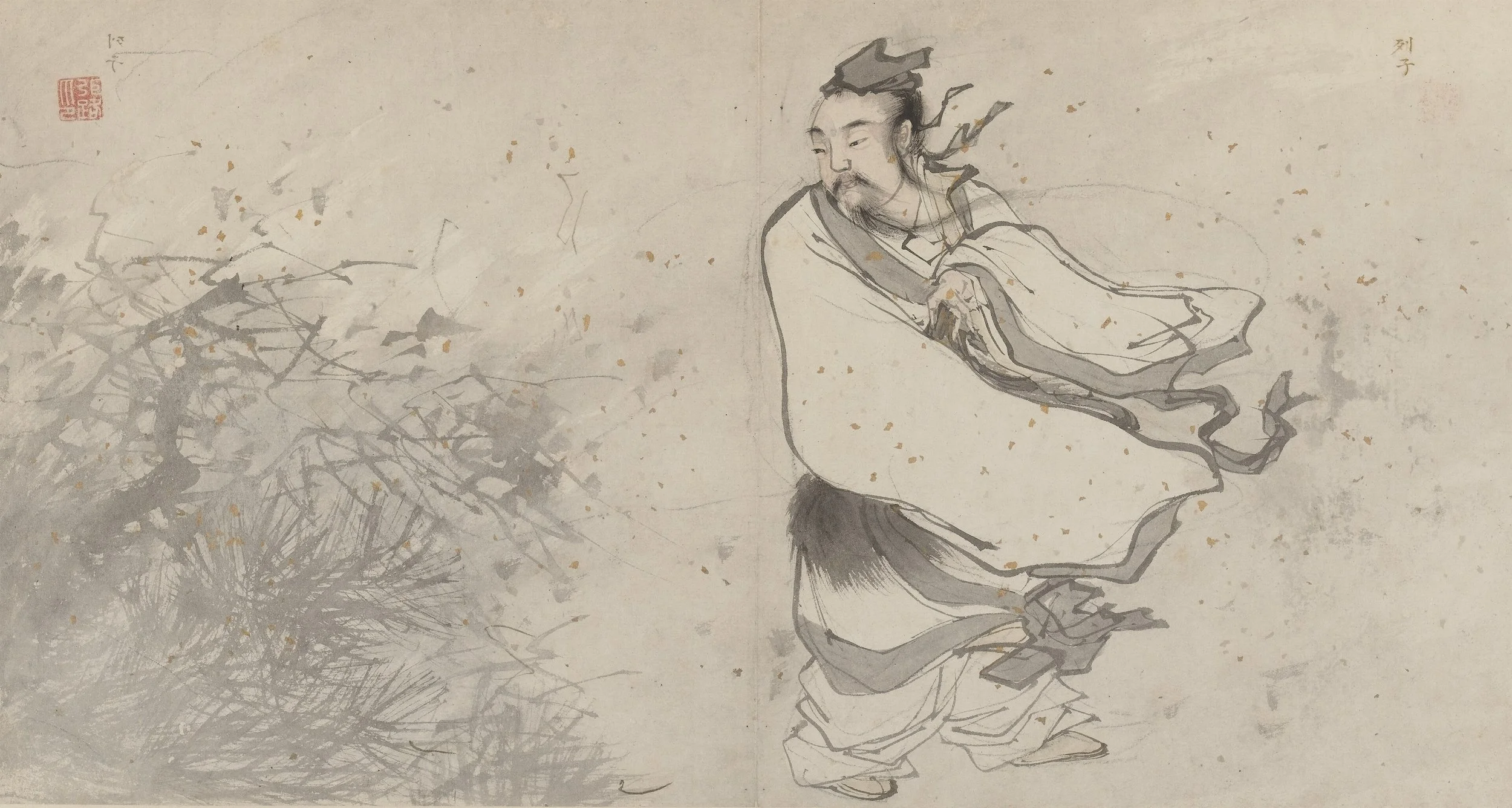
The Great Peng is a mythical bird that transforms from a giant fish and then into a winged beast that can fly for a year and a half, to the southern sea, stirring up the oceans and propelling the cycles of nature. The cicada and the dove are skeptical about this massive bird’s existence, since they can’t comprehend how it could fly so far and so high and be so huge. They think it would take too much flapping. But the Great Peng floats on the vast warm air, without struggling. It is the opening image of the great Taoist Classic The Chunk Tzu. When contemplating this image, you will do well to contemplate one or more of the following questions. Where in your life do you need to restore a sense of proportion? Are you feeling too small for the great task ahead of you? You might need to be compassionate on yourself and recognize the limitations of your current resources. Or, might you be in need of higher perspective? Consider starting or increasing your meditative practice. Maybe try out a new technique to help you gain perspective. Finally, is there a way that you can do less work but rise up on the powerful resources you already have?

Read More
Jeffrey MallinsonComment
The Inner Alchemist

We discuss the concept of the inner alchemist, which is a metaphor for the process of spiritual transformation. First, Jeff sets up the conversation with some historical background about failed Western alchemists like Anna Maria Zieglerin (1550-75) and the demise of Chinese emperors who drank what they thought was the elixir of life, then Stacie and Sydnie join in to riff on the ways in which inner alchemy can help us navigate a sort of outer alchemy: the chemicals and plants we take into our bodies. We also talk about the ways in which we can transform the elements of our lives even in difficult times.

Read More
Jeffrey MallinsonComment
Wisdom Is Justified By Her Children

Casual reflections on Jesus’ statement that is roughly the equivalent of the adage “the proof of the pudding is in the eating,” the nature of the Jerusalem community under Jesus’ brother James, and resonant themes in the Tao Te Ching. We meander a bit, so if you want something to the point, you might skip this one. But if you’re like us and like to do work, drive, or fall asleep to a conversation, this is for you friends.

Read More
Facing Night Time Fears

Jeff, Stacie, and Sydnie sit down with some old timey English ales after a long day’s work to solve a recent family mystery that intersects with a recent urban legend. Enjoy this peak into the whimsical, witchy and mystical conversations that tend to happen on tipsy evenings at the family’s old Portland home. Topics range from demons to tin foil hats to pigeon assassinations, squirrel friends and the goddess Hecate. Warning: Explicit language festooned throughout.

Read More
MORTALITY CONCIERGE (AKA DEATH DOULA)

Stacie helps Jeff and listeners work through some of the important questions we might have and asks questions we ought to ponder about our relationship with our own mortality. She also shares wisdom she’s learned from those who are on the precipice of death that can help us all be present in the life we have right now. Check out taosurfers.com if you’d like to work with Stacie directly or connect her with someone you love.

Read More
Jeffrey MallinsonComment